
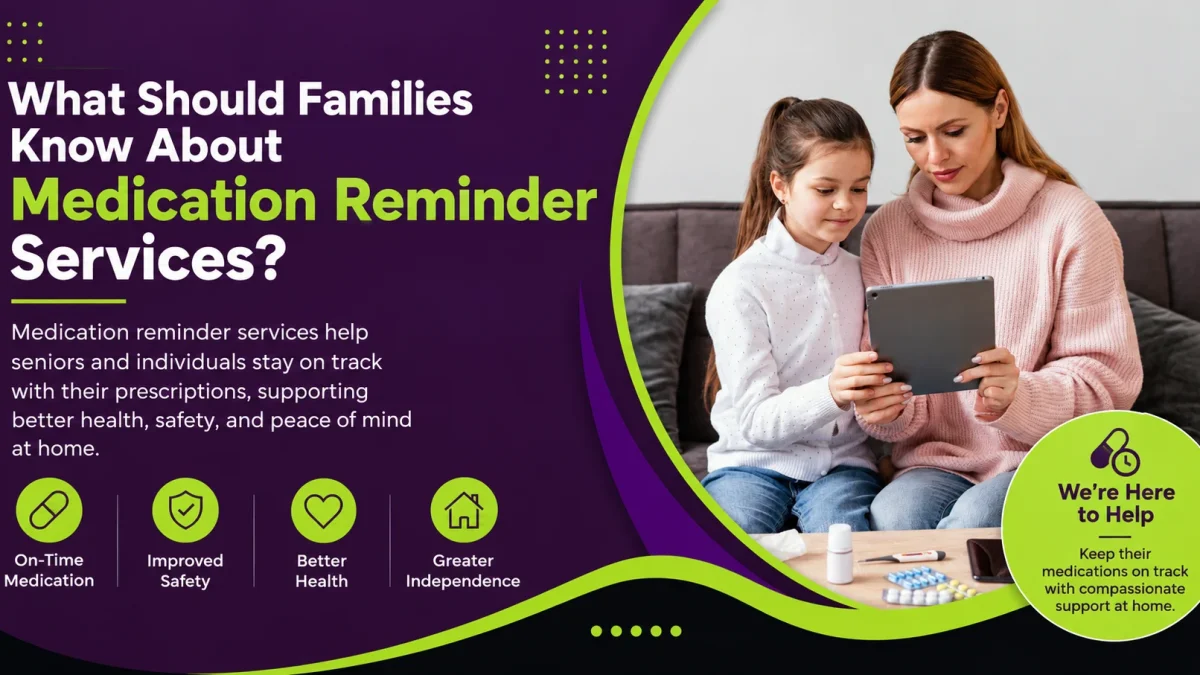
Managing medicines can prove to be a challenging part of a daily routine for seniors, people living with a chronic condition, individuals with memory difficulties, and those recovering at home. A plethora of prescriptions, different schedules, varying dosage, and a busy lifestyle can all make it difficult for an individual to remember when to take medications.
For a family, their main concern is not only if a loved one is remembering to take their pills, but also they may want to ensure that a person is following an established medication routine, they are sticking to a healthy lifestyle while living at home, and that an individual is getting the help they require with their daily life. Medication reminder services offer routine support that can help a person remember their established medication schedules. At Love One Home Healthcare, we can offer a supportive reminder service as a part of appropriate home care while honoring an individual’s independence and care plan.
What Are Medication Reminder Services?
Medication reminder services are a type of supportive home care that can help an individual remember their established medication routine. A caregiver can offer a timely verbal or routine reminder as a part of an individual’s care plan.
The objective is to help reduce missed reminders and provide structure to an individual’s routine.
Medication reminder support may be useful for:
- Individuals who have several medications scheduled throughout their day
- People who will occasionally forget medication time reminders
- Those who have difficulty maintaining a consistent daily routine
- An individual who needs additional support at home
- A person who experiences memory related challenges
- Someone who is recovering after a hospitalization or illness
- An individual who has family members who cannot be present throughout the day
- A person who wishes to maintain greater independence at home
It is important to understand that medication reminders are not necessarily the same as medication administration or medication management. The exact services offered depend on the individual’s needs, care plan, regulations, and the qualification of the caregiver or healthcare professional.
Why Can Medication Routines Become Difficult?
A medication routine may seem simple when an individual only has one prescription. However, medication schedules during the day can be much more complicated for a person with several prescriptions.
For example, imagine that Margaret, an older adult who lives at home, has always valued her independence. She loves to prepare her own breakfast, chat with her neighbors, and maintain control of her own schedule.

Who May Benefit From Medication Reminders?
Medication reminders may benefit individuals whose daily routines can make it difficult to consistently remember their established medication times.
Seniors Living at Home
Older adults may manage multiple prescriptions for different health needs. A busy schedule, changes to their routine, and occasional forgetfulness can all make a medication schedule difficult to stick to.
Medication reminders for seniors can provide an additional layer of routine based support without automatically taking over the person’s responsibilities.
People Managing Multiple Prescriptions
Some individuals have several medications scheduled at different times throughout their day. Keeping track of multiple medication times can become confusing.
A consistent reminder routine can help an individual stay aware of their established schedule.
Individuals With Memory Challenges
Memory difficulties can impact an individual’s daily life including remembering medication times. Families may consider asking for medication reminders for seniors with memory challenges when additional routine support is appropriate.
For people living with dementia or other cognitive changes, medication support should be individualized and in coordination with their care plan.
People Recovering at Home
After a hospital stay, surgery, or illness, an individual may have a temporary change in their day. Additional home care support may be helpful to help an individual get back on a routine while they recover at home.
What Does a Medication Reminder Service Typically Include?
The exact support provided will depend on an individual’s care plan and the level of service.
Depending on an individual’s situation, medication reminder support can include:
- Providing verbal reminders at scheduled times
- Maintaining a consistent daily routine
- Reminding a client to check their established medication schedule
- Supporting routine organization
- Communicating relevant observations to authorized family members or appropriate care team
- Encouraging an individual to follow their established care instructions
- Helping reduce confusion around daily routines
Medication Reminders vs. Medication Administration
One of the most important things that families should understand is the difference between medication reminders and medication administration.
Medication Reminders
A reminder is generally a way of reminding someone that it is time to follow their established medication routine.
Medication Administration
Medication administration is different because it requires a qualified person to actually administer the medication according to applicable requirements and the individual’s care plan.
How Medication Reminders Can Support Independence
Many families worry that receiving home care means their loved one will lose independence.
In reality, the right type of support can sometimes help an individual continue to participate in their daily activities at home.
Medication reminder services can support independence by:
- Encouraging consistent routines
- Providing timely prompts
- Helping an individual remain aware of their schedules
- Reducing reliance on family for every reminder
- Supporting daily organization
- Allowing an individual to remain involved in their routines
The objective is not to take control away from an individual but to provide supportive care where it is needed.
Signs Your Loved One May Need Medication Reminder Support
Families can notice subtle changes before realizing that additional support could be helpful.
If your loved one regularly forgets when their medications are due, a structured reminder routine may be worth discussing.
Difficulty Maintaining a Daily Routine
Medication schedules can become hard to follow when a person’s sleep, meals, appointments, or other activities change.
Increased Family Concern
Sometimes the clearest sign is that your family is constantly calling or visiting just to remind a loved one about their routine.
How Caregivers Can Make Medication Routines Easier
A good caregiver does more than simply provide a reminder. They can help create a predictable routine around an individual’s activities.
- Breakfest
- Lunch
- Dinner
- Morning routines
- Evening routines
- Regular appointments
- Bedtime routine
This can help make medication reminders feel like a part of a person’s day rather than an additional source of stress.
However, caregivers should also follow an established care plan and should not change medication without appropriate authorization.
The Role of Families in Medication Support
Professional caregivers can provide valuable support, but families still have an important role.
Family members can help by:
- Keeping healthcare providers informed about relevant concerns
- Sharing the established medication schedule with authorized caregivers
- Communicating changes made by healthcare professionals
- Asking questions about the scope of medication reminder services
- Monitoring general changes in their loved one’s routine
- Maintaining communication with the appropriate care team
Open communication can help everyone involved understand their responsibilities.
What Families Should Ask Before Choosing a Medication Reminder Service
Before choosing a home healthcare provider, families should ask specific questions about the service.
1. What Type of Medication Support Is Provided?
Ask whether the provider offers reminders, medication administration, medication management or another form of assistance.
2. Who Provides the Support?
Families should understand whether reminders are provided by caregivers, nurses, or other qualified professionals.