
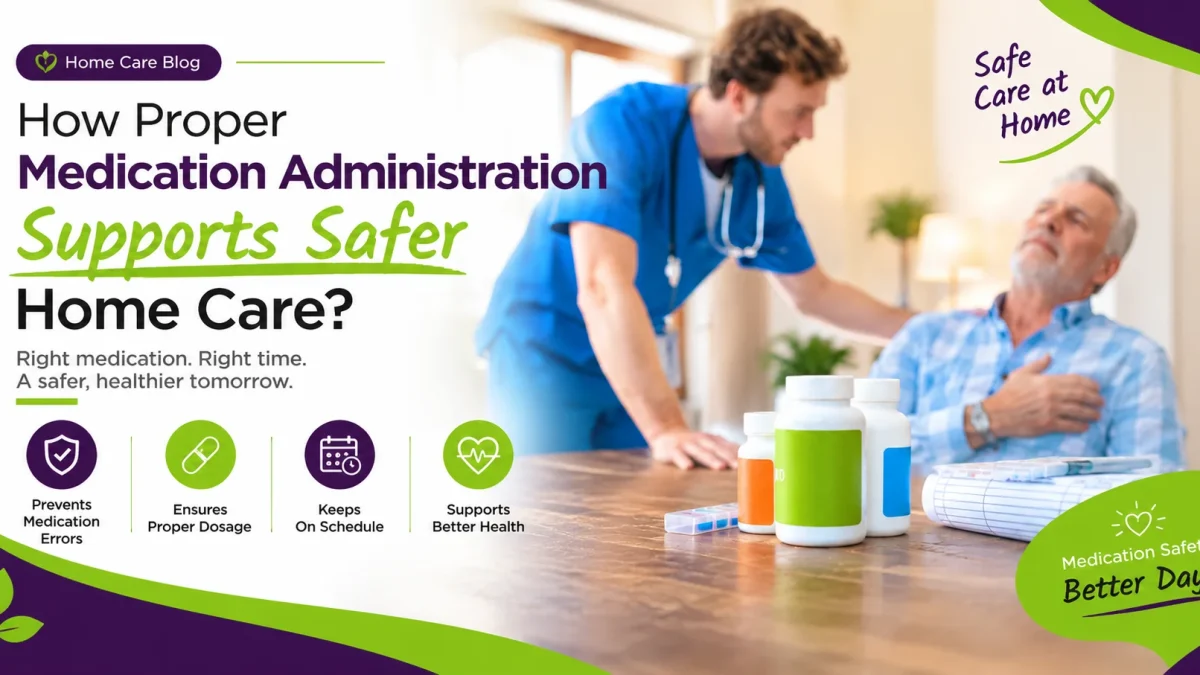
For many families, caring for a loved one at home is both a blessing and a challenge. It is a chance to create a safe and comfortable environment where an aging parent, child, or individual can receive the right support while also being able to maintain a sense of dignity and independence.
One of the most important aspects of safe home care is medication administration. Medications can help manage chronic conditions, control symptoms, aid in recovery, and improve quality of life. However, as a person takes several prescriptions, dosages that are hard to follow, and physical or mental limitations, medication routines can become increasingly difficult to maintain.
This can lead to confusion about instructions, medication changes, or dosing mistakes.
At Love One Home Healthcare, our compassionate and personalized care helps clients and families navigate an individual’s healthcare journey while also following an appropriate healthcare plan and applicable safety procedures. when discussing daily assistance and maintaining independence.
What Is Medication Administration in Home Care?
Medication administration refers to providing or supporting the use of prescribed medications as part of an appropriate healthcare plan.
Depending on an individual’s needs and the level of authorized support provided at home, medication-related assistance can include:
Assisting with an established medication schedule
Providing authorized medication-related support
Helping a client follow instructions
Monitoring medication-related routines
Maintaining appropriate documentation
Communicating any concerns to the appropriate healthcare professional
- Organizing medication
Assisting family caregivers with medication instructions
Why Proper Medication Administration Is Important in Home Care

Avoiding Dangerous Mistakes
One of the key reasons for providing medication administration at home is to avoid any potentially dangerous mistakes. Medication mistakes can happen for a variety of reasons, including:
Forgetting to take a dose
Taking a dose late
Confusing medications or instructions
Not following updated instructions
Accidentally doubling a dose
Not being able to read medication labels
Having medication schedules changed after a hospitalization
Creating Consistency
Consistency is especially important if an individual takes medication on a regular schedule.A reliable medication routine can help a client or caregiver understand what needs to be done and when. This is particularly important for those who take a combination of drugs and those who have to follow special instructions.
Promoting Client Safety
Medication safety goes beyond an individual’s ability to remember a pill. It is about understanding a care plan, following instructions, maintaining proper documentation, and knowing when it is important to bring up a concern.
Professional home care can bring an extra layer of support to those who have a difficult time managing these responsibilities.
A Story Familiar To Many Families
Imagine a daughter, Sarah, who cares for her father, Robert.
Robert has always been quite independent. He enjoys his morning coffee, watching his favorite Television shows, and sitting outside in the Afternoon. However, after developing a number of health concerns, his medication routine became much more involved.
He now has several prescriptions with varying instructions.
For a while, he was able to handle it alone.
However, one morning, Sarah got a worried call.
Her father could not remember if he had taken one of his medications.
Sarah was immediately quite concerned.
She lived close by, but between work, her own children, and other responsibilities, she did not have the physical ability to be there for every hour of every day. She wanted to help her father, but she could not be there for him twenty-four hours a day, seven days a week.
Who May Benefit From Medication Administration Support?
Medication administration support can benefit many individuals. when discussing medication-related healthcare needs and professional care.
Seniors Aging at Home
Seniors may take a combination of drugs to manage their health concerns. Physical limitations, memory loss, or other difficulties can impact an individual’s ability to manage their medication on a regular basis.
Appropriate home care assistance can help seniors maintain a more organized medication routine while staying at home.
Individuals With Chronic Health Conditions
Those who have to manage chronic conditions may suffer from ongoing medication use. Consistent medication administration support can help these individuals follow their medication routines as part of an individual’s home healthcare plan.
Individuals Recovering From Surgery or Hospitalization
Many individuals have to resume medication after returning home from a hospital stay. Medication administration support can help clients stay on track while communicating any changes or concerns to appropriate healthcare professionals.
Individuals With Memory Challenges
Those who experience memory loss may have a difficult time remembering to take their medication or determining if they have already done so.
A reliable medication routine can assist these individuals while also helping them maintain their independence.
Children And Individuals Requiring Specialized Care
Children and individuals requiring specialized care may need medication-related support as an important component of their overall pediatric or skilled care plan. Their care should be individualized and appropriately managed in accordance with appropriate medical instructions.
Key Components Of Safe Medication Administration
Following The Established Care Plan
Every individual should have a care plan in place that reflects their healthcare needs and authorized services.
Care professionals should follow established instructions and communicate any concerns or changes.
Maintaining Accurate Documentation
Appropriate documentation can help promote continuity of care among caregivers, families, and healthcare professionals.
Accurate documentation can also help identify any changes that require additional attention.
Medication Administration vs. Medication Reminders
Medication administration and medication reminders are often confused with each other, despite being significantly different. A medication reminder typically refers to a person reminding a client to follow their established medication routine. Medication administration, however, refers to a more involved level of authorized assistance and must always be provided in accordance with appropriate healthcare requirements.
The appropriate service depends on an individual’s healthcare needs, abilities, care plan, and professional requirements.Families should discuss medication-related needs and concerns with the appropriate healthcare provider and home healthcare agency before determining what type of support is right for them.
How Love One Home Healthcare Supports Safer Home Care
At Love One Home Healthcare, we recognize that every person has a unique story. Our clients can be seniors wishing to remain at home, children requiring specialized support, individuals recovering from illness, or those managing their healthcare needs. We offer a variety of services, including:
Companion Services
Personal Care
Skilled Care
Live-In Care
Pediatric Care
Home Infusion Therapy Service
Physical & Speech Therapy
Healthcare Staffing Service
Healthcare Training
Frequently Asked Questions About Medication Administration
What is medication administration in home healthcare?
Medication administration refers to the authorized medication support provided in accordance with an individual’s established healthcare plan and applicable professional requirements.
Why is medication safety important for seniors?
Seniors may manage a combination of prescriptions or find it challenging to manage their medication due to physical and memory-related limitations. Appropriate medication administration support can help establish a more consistent and organized medication routine.
Can home healthcare professionals help with medication routines?
Depending on a service, an individual’s care plan, and applicable regulations, home healthcare professionals may provide appropriate medication-related assistance. Families should communicate their specific needs with the healthcare provider and agency.
What should I do if I am unsure about medication?
Do not guess. Contact the appropriate healthcare professional or pharmacist for clarification before making any changes to a medication routine.