
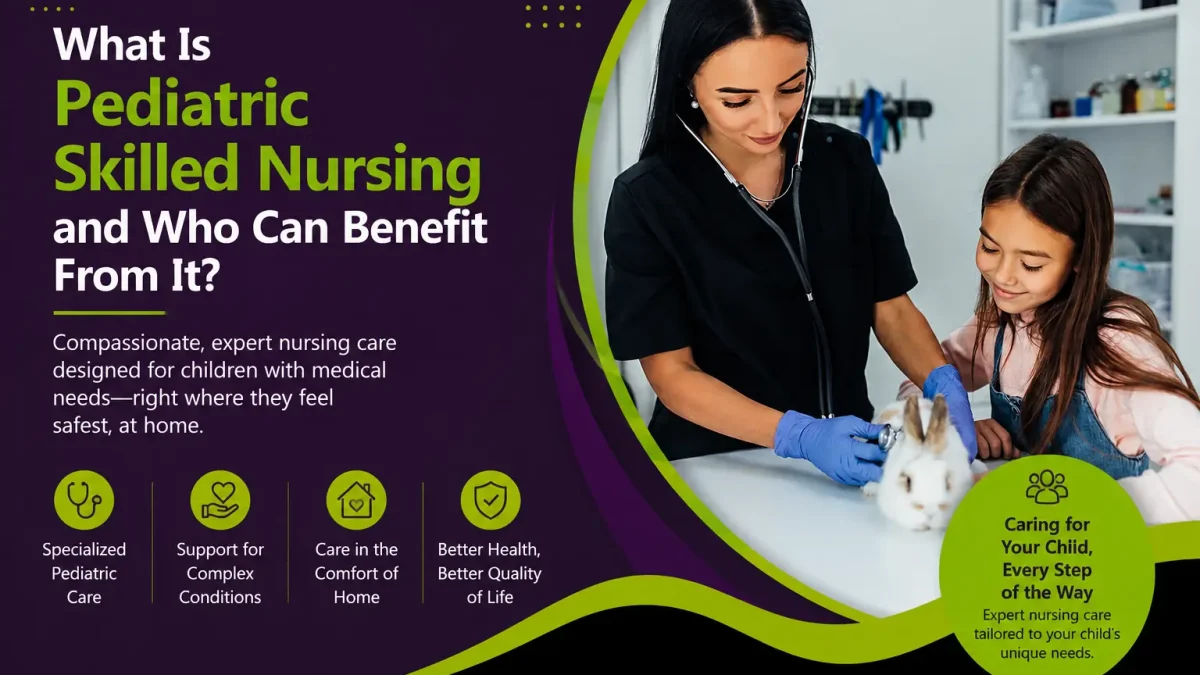
For many families, caring for a child can come with a mix of love, responsibility and uncertainty. A child may require medication assistance, health monitoring, specialized procedures or nursing care that can extend beyond what a parent can reasonably manage alone. For such situations, Pediatric Skilled Nursing can provide support while a child stays in their familiar home.
Unlike babysitting or regular childcare, pediatric skilled nursing is for children who have medical or healthcare needs that require professional nursing knowledge and physician directed care. Depending on the child’s needs and care plan, services may include medication administration, health monitoring, wound care, respiratory support, feeding assistance, post-hospitalization care and caregiver education.
Families in Greenbelt, Maryland can benefit from understanding how pediatric skilled nursing works to find the most appropriate care and determine if additional professional support is needed.
What Is Pediatric Skilled Nursing?
Pediatric skilled nursing is specialized nursing care for children who have medical conditions, disabilities, recovery needs or other healthcare requirements that require professional nursing support.
The care can be provided in the home, if home-based care is appropriate, to allow a child to stay in their familiar environment. A qualified nurse is following the child’s individualized care plan and physician directed instructions while collaborating with parents, guardians and other healthcare professionals.
Pediatric nursing is different from regular home care, as children can have unique medical, developmental, emotional and communication needs and require care that is adapted to their age, condition, abilities, routines and environment.
What Does a Pediatric Skilled Nurse Do?

Medication Administration and Monitoring
Safe, consistent support with prescribed medications and ongoing observation.
Health Assessments and Observation
Regular assessment and observation to identify changes in a child’s health.
Vital Sign Monitoring
Monitoring vital signs to help track the child’s condition and support timely communication.
Wound and Skin Care
Professional support for wound care, skin protection, and healing according to the care plan.
Feeding and Nutritional Support
Assistance with prescribed feeding routines and nutritional needs.
Respiratory Care and Monitoring
Specialized support and monitoring for children with respiratory healthcare needs.
Post-Surgical and Post-Hospitalization Care
Support with recovery routines following surgery or hospitalization.
Chronic Condition Management
Ongoing nursing support for children living with chronic health conditions.
Medical Equipment Support
Assistance with appropriate care routines involving prescribed medical equipment.
Elderly people are much less likely slip or hurt themselves if there is someone around to help with daily activities and mobility. Simple supervision can increase safety.
How Is Pediatric Skilled Nursing Different From Regular Childcare?
This is one of the most important differences for parents to understand. Book a Home Healthcare Appointment Today
Regular childcare generally focuses on supervision, activities, meals, transportation and other child related responsibilities. Pediatric skilled nursing, on the other hand, addresses healthcare needs that require professional nursing knowledge and expertise.
A child receiving skilled nursing may need ongoing monitoring or medical procedures that cannot be appropriately managed by a regular babysitter or untrained caregiver.
Pediatric Skilled Nursing May Include
- Clinical observation
- Medication related care
- Physician directed treatments
- Specialized medical procedures
- Monitoring for changes in health
- Support with medically necessary equipment
- Care coordination
Family education related to the child's care plan
This specialized approach can provide families with additional support while children receive appropriate care in a familiar home environment.
Who Can Benefit From Pediatric Skilled Nursing?
Pediatric skilled nursing may benefit children who have a wide variety of healthcare needs. The appropriate level and type of care depends on the child’s medical condition and individualized plan.
1. Children With Chronic Medical Conditions
Some children live with medical conditions that require regular monitoring or treatment. Pediatric nursing can help families follow physician directed care routines and monitor changes that may need to be communicated to healthcare professionals.
2. Children Recovering After Hospitalization
Returning home after a hospital stay can be stressful for both children and parents. A child may still require medication support, monitoring, wound care or other specialized assistance.
3. Children Recovering From Surgery
Post-surgical recovery can require careful observation and adherence to medical instructions. Skilled nursing can support appropriate recovery routines and help families identify changes that should be communicated to the child’s healthcare provider.
4. Children With Complex Healthcare Needs
Some children have multiple healthcare needs that require consistent professional attention. Pediatric skilled nursing can help coordinate appropriate nursing support around the child’s individualized care plan.
5. Children With Respiratory Care Needs
Children with certain respiratory conditions may require specialized monitoring or physician directed respiratory support. Skilled nursing can provide appropriate assistance within the scope of the child’s care plan.
Signs Your Child May Need Skilled Nursing Support
Parents sometimes wonder if their child’s needs have reached a point where professional nursing support is appropriate.
Some signs may include:
Your child requires regular medical monitoring
Your child has complex medication needs
Your child is recovering from a major illness or surgery
Your child requires physician directed nursing procedures
Your child has specialized feeding or respiratory needs
Your family needs additional support following hospitalization
Your child uses prescribed medical equipment
Your child’s condition requires consistent observation
What Services Are Included In Pediatric Skilled Nursing?
Pediatric skilled nursing services can vary significantly depending on the child’s diagnosis, treatment plan, physician instructions and care goals. Compassionate Pediatric Care at Home
Medication Administration
A pediatric nurse can provide medication administration if it is part of the child’s authorized care plan. This can help families maintain consistency with prescribed treatment routines.
Health Monitoring
Regular observation and monitoring can help identify relevant changes in the child’s condition. Nurses can document appropriate information and communicate concerns through the established care process.
Wound Care
Children recovering from injuries or surgery may need specialized wound and skin care. Skilled nursing can provide physician directed wound care and monitor the healing process.
Respiratory Support
Children with certain medical conditions may need respiratory monitoring or specialized nursing support. Care is based on the child’s prescribed plan and professional nursing requirements.
Feeding Support
Some children have medically related feeding requirements. Pediatric nursing may include appropriate feeding support, depending on the child’s care plan.
Post-Hospital Care
The transition home after hospitalization can involve several new routines. Pediatric skilled nursing can help families follow discharge instructions and support continuity of care.
Caregiver Education
Parents and caregivers often have questions about managing their child’s healthcare needs. Nurses can provide education related to appropriate care routines and physician directed instructions.
Pediatric Skilled Nursing In Greenbelt, MD
Families searching for pediatric healthcare support in Greenbelt, Maryland may be looking for a solution that combines professional nursing care with the comfort of home.
Local families may use searches such as pediatric home health care near me, pediatric nursing services or pediatric skilled nursing in Greenbelt when trying to understand their options.
Love One Home Healthcare provides pediatric care designed around the needs of children and their families. Our team can discuss your child’s care requirements, referral information, scheduling needs and available services.
If your child requires specialized nursing support, speaking with a healthcare professional can help determine whether home based skilled nursing is appropriate.
How Does The Pediatric Skilled Nursing Referral Process Work?
The process generally begins with understanding the child’s healthcare needs and determining what type of support is appropriate.
Step 1: Discuss The Child’s Needs
Parents or guardians can contact a home healthcare provider to explain the child’s current situation and care requirements.
Step 2: Provide Relevant Medical Information
Depending on the requested service, documentation such as physician orders, treatment information or discharge instructions may be required.
Step 3: Develop An Individualized Care Plan
The child’s healthcare needs and authorized services can be incorporated into an individualized plan.
Step 4: Coordinate Care
The home healthcare team works with the family and appropriate healthcare professionals to support continuity of care.
Step 5: Begin Appropriate Services
Once requirements are completed and services are authorized, appropriate pediatric nursing support can begin according to the established care plan.
Emotional Support For Parents And Caregivers
When a child needs medical care, parents can sometimes feel as though they have to become a caregiver, coordinator, advocate and healthcare manager all at once.
Imagine bringing your child home after a difficult hospital stay. The house is familiar, but the routine has changed. There may be medications to remember, healthcare instructions to follow, appointments to coordinate and questions about what to do if something changes.
Having appropriate professional nursing support can give families another set of experienced hands.
It does not replace the love or involvement of parents. Instead, it can complement the family’s role by providing specialized support around the child’s healthcare needs.
For many families, that combination of professional care and familiar surroundings can make the home care journey feel more manageable.