
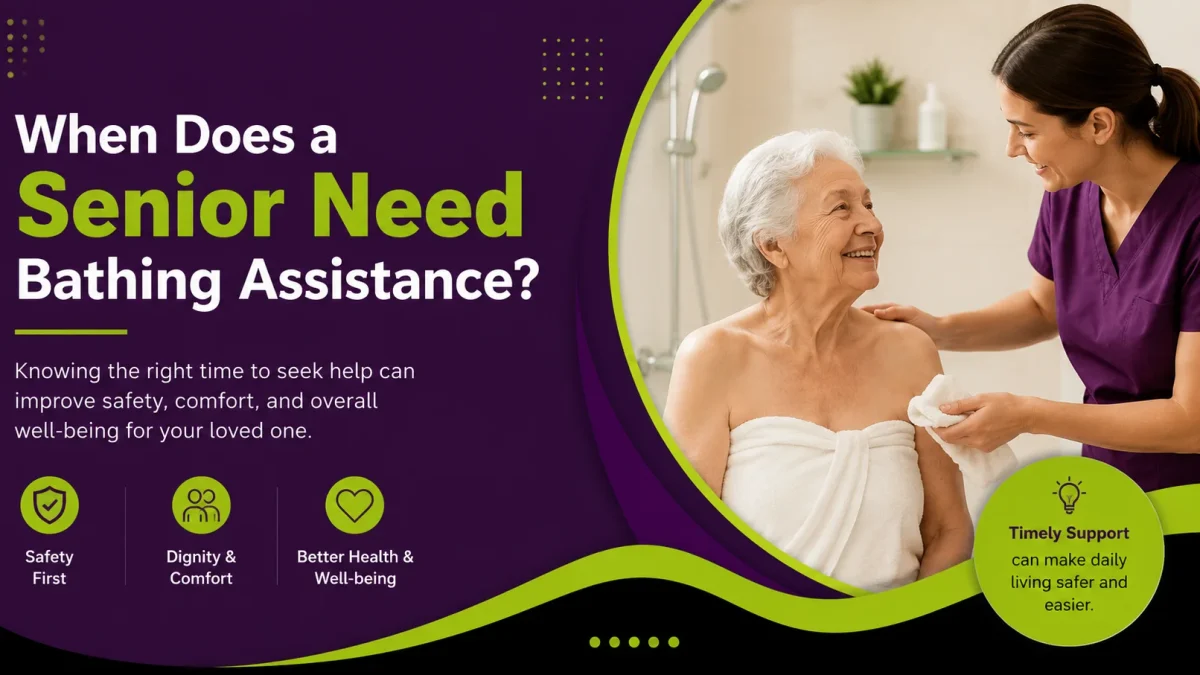
The idea of bathing is one that many consider to be a luxury. As a person who loves you becomes older, taking simple bathing or showering could become physically difficult uncomfortable, and even risky. The loss of strength, balance mobility, memory and self-confidence can make personal care more challenging.
For families among the most difficult questions to answer could include: When does a senior require assistance with bathing?
The answer may not be clear. Certain older adults might require assistance with getting in bathing and getting out and others may require ongoing bathing aid at home in their daily routine.
Here at the Love One Home Healthcare, we recognize that getting help with bathing concerns more than just hygiene. It’s about protecting dignity, encouraging security, fostering independence, and ensuring that seniors feel secure at home. the home of their dreams.
What Is Bathing Assistance for Seniors?
The Bathing Assistance can be described as a personal service to help older adults safely finish their hygiene and bathing routines if they are unable to comfortably or safely handle them on their own.
Based on the requirements of an older person such as bathing assistance, it could consist of:
- Assisting an elderly person in preparing for shower or bath time
- Assisting in exiting and entering the shower or tub.
- Supporting you while sitting, standing or transferring
- Helping wash difficult-to-access areas
- Helping to shampoo and rinse hair
- Aiding in drying after showering
- Help in dressing after a shower
- Insuring privacy and dignity throughout the entire process
- Checking for safety concerns that could be a cause for concern
- Maintaining a consistent personal hygiene routine
The level of support offered by a caregiver can differ from person to person. Some seniors could require supervision while others require assistance with hands on.
The aim is to offer the the right amount of help while promoting the maximum amount of independence.
When Does a Senior Need Bathing Assistance?
There’s no age at which someone will need assistance bathing. Instead families should consider the physical changes of a senior’s capabilities hygiene, habits of cleanliness, and confidence.
Here are some typical signs that bathing assistance might be beneficial.
1. Difficulty Getting Into or Out of the Bathtub
The process of getting over the side of a tub requires flexibility, balance, as well as leg muscle. If you are an older person with less mobility it can become difficult.
If your loved one is hesitant before entering the bath or struggles to get their legs off the wall of the tub or requires a person to help them It could be the right an appropriate time to look into senior aid in bathing.
2. Frequent Loss of Balance
The changes in balance could increase the chance of slips and falls occurring in the bathroom.
Soap, wet floors small space, and the smooth surface can create bathing difficult for older adults who have trouble maintaining the balance.
Signs can include:
- Letting furniture or walls be held when walking
- Not feeling steady in the shower
- Do you need help getting up from the shower chair
- Refraining from showers for the fear of falling
- Experiencing bathroom falls in the past
An older person who is scared of falling when bathing could be able to benefit from professional bathing in the home.
3. Reduced Strength or Mobility
Age-related conditions can cause bending, standing or reaching more difficult.
An older person may desire to keep their regular bathing routine, but they may not have the physical strength needed to complete the task safely.
Bathing assistance may help for movements that are difficult, while also allowing the person to be a part of their routine that they still do.
4. Difficulty Washing or Reaching Certain Areas
Bathing requires more effort than people think. Seniors might have to bend and bend or reach behind their backs or wash their feet or raise their arms.
A reduced flexibility and strength, joint pain or a limited mobility can make these tasks difficult.
If you know someone who struggles to clean their body or frequently leaves areas in need of cleaning A personal bathing aid can assist in maintaining a healthy hygiene.
5. A Senior Has Become Afraid of Showering
Sometimes, the most obvious warning sign is more emotional than physical.
A senior who was once a fan of a shower in the morning may start saying:
“I’m afraid I’ll fall.”
They might begin to avoid the bathroom, and may begin taking incredibly short showers or putting off a couple of weeks between showers.
The fear of being afraid can trigger an entire cycle. The less often someone bathes in the bath, the more uncomfortable bathing might be. This can make them more reluctant to shower.
Bathing assistance that is compassionate can restore confidence and make personal hygiene seem manageable again.
6. Difficulty Managing Personal Hygiene
Changes in the way you take care of your hygiene can be a sign that an older person requires extra support.
Families might be aware of:
- Bathing less often
- Hair that is not washed
- Strong body odor
- It is difficult to change clothes
- Repeatedly wearing the same clothes
- Refraining from personal medical
- Trouble maintaining grooming routines
These changes don’t necessarily mean that seniors are not able to take care of themselves. They could simply mean that daily tasks have become more challenging.
7. Memory Problems or Cognitive Changes
Seniors with cognitive decline or memory loss may not remember to shower, get confused by bathing steps or are unable to recognize the potential dangers in the bathroom.
A caregiver could provide gentle reminders, guidance and encouragement as they help the senior adhere to an established routine.
Family members who have someone with memory loss or cognitive difficulties continuous personal care will provide security and comfort.
8. Recovery After an Illness, Surgery, or Hospital Stay
Seniors may be totally independent prior to the onset of illness or hospitalization but may require support following an illness or hospital stay.
Weakness, limited mobility, pain, or fatigue can make bathing difficult during recovery.
In these cases In these instances, temporary assistance with bathing at home can assist an adult maintain their hygiene and gradually getting back to their independence.
Why Is Bathing Assistance Important for Seniors?
Bathing isn’t just about maintaining cleanliness. Personal hygiene that is safe can contribute to the physical health, well-being and confidence as well as the living well.
Improved Bathroom Safety
Bathrooms can be one of the toughest areas in the home for older adults.
A little help can ease the likelihood of seniors attempting difficult tasks on their own.
Better Personal Hygiene
Regular bathing can help seniors to maintain cleanliness and comfort. Support from caregivers helps keep a regular individual hygiene regimen.
Preserving Dignity
Many senior citizens are uncomfortable asking their family members for help in bathing.
Professional caregivers are able to provide support with respect while protecting the patient’s dignity and privacy.
Supporting Independence
Assistance is not a sign that seniors have been deprived of their independence.
In a lot of instances, the appropriate amount of support can allow older adults to remain at home, and to participate in their daily activities.
A caregiver can assist with the tough parts but let the senior take care of everything they can take care of themselves.
Reducing Family Caregiver Stress
Bathing assistance can also be helpful to family caregivers.
A child, a parent spouse, daughter, or another family member might want to be a helping hand but aren’t comfortable giving personal attention to a loved one in a private setting. Professional help can give families peace of mind while they concentrate on the relationship they have with their loved ones.
What Does a Bathing Assistance Caregiver Do?
The caregiver who assists with bathing can assist with various aspects of the routine for personal care dependent on the needs of the senior.
Before Bathing
The caregiver could assist the senior in:
- Make sure you have towels and clothes ready.
- Make sure to gather personal hygiene products
- Verify that the bathroom is secure
- Set up a shower chair or any other equipment that is suitable
- Create a routine for your bathing.
During Bathing
Based on the person’s medical requirements, assistance could include:
- Assistance with secure transfers
- Supervising
- Balance and support
- Helping to wash areas that are difficult to reach.
- Assisting in hair washing
- Giving reminders and encouraging words
After Bathing
The caregiver can help with:
- Drying
- Dressing
- Grooming
- Safely returning to a room or living space
- Cleaning up the bathing area
The level of care must always be based on the specific needs of the elderly and the care plan.
How Can Families Make Bathing Safer for Seniors?
Assistance from a professional can be beneficial however, families can implement practical changes to make an environment that is safer for bathroom use.
Consider Bathroom Safety Equipment
Depending on the needs of the individual Families may think about:
- Grab bars
- Non-slip bath mats
- Shower chairs
- Handheld showerheads
- Toilet seats with raised seat
- Better bathroom lighting
The selection of equipment should be according to the person’s capabilities and, where appropriate the recommendations of healthcare professionals.
Keep the Bathroom Free of Clutter
Take away any unnecessary objects from the paths you walk on and store common bathing supplies at hand.
A clean path makes moving around the bathroom easier.
Avoid Rushing
Adults who are older may require longer to get in and bathe, dry and dress in a safe manner.
Encouragement of a relaxed lifestyle can help relieve stress.
Encourage Independence Where Possible
Instead of doing everything for seniors caregiver, caregivers can assist seniors to do their own tasks on their own.
For instance an elderly person might be capable of washing their arms or face and receive assistance for transfers or difficult-to-access areas.
This strategy can help to maintain the confidence of your family and maintain independence.
When Should a Family Consider Professional Bathing Assistance?
Families should think about professional assistance in the event that bathing becomes consistently challenging or dangerous, or even stressful.
A professional bathing aid can be particularly helpful for you are a senior
- Are there mobility issues
- Is it difficult to maintain balance?
- A person who has experienced a bathroom accident
- Has decreased strength
- Is having difficulty moving
- Are you experiencing cognitive or memory challenges?
- Are you recovering from an illness, or has had surgery?
- Avoid bathing due to the fear of
- Help with maintaining personal hygiene
- Needs help in other activities related to personal care.
The objective is not to remove independence. It’s to provide the assistance needed for seniors to stay secure and at ease in their home.
A Gentle Approach Makes a Big Difference
Many families find that the toughest aspect isn’t getting help. It’s getting started with the discussion.
Seniors may be ashamed of needing help with bathing. Some may be concerned that allowing help will mean they’re losing their independence.
This is the reason why conversations should be centered around the need for support, not incapacity.
instead of saying
“You can’t bathe by yourself anymore.”
Try:
“How can we make your shower easier and safer?”
A small change in the words can have a major emotional impact.
Imagine a senior parent who used to enjoy getting dressed each day, but now has to spend a few minutes in the tub and is nervous about standing up.
With a supportive and respectful approach, the person could be able to resume the routine that is familiar to them, safely and with confidence.
Sometimes, independence doesn’t mean that you have to do everything on your own.
Sometimes, having independence is having someone close by when you require assistance.
Bathing Assistance as Part of Personal Care at Home
Bathing is usually just one of the many aspects of a senior’s personal needs for care.
An older adult that requires bathing assistance might also get help by:
- Dressing
- Grooming
- Toileting
- Mobility
- Personal hygiene
- Preparation for meals
- Companion care
- Daily routines
We are Love One Home Healthcare Our Services for Personal Care as well as Companion Service have been designed in order to ensure that clients receive a caring and compassionate care while being as independent and comfortable as they can in their own home.
Our home health services that are more comprehensive includes Live-In Care Pediatric Health Care Home Infusion Therapy Service, Physical & Speech Therapy, Healthcare Staffing Service, and Healthcare Training.
How Love One Home Healthcare Supports Seniors
The choice of a home healthcare provider is a very personal choice. Families seek caregivers who are reliable, respectful and compassionate. They must also be attentive to the individual requirements.
Here at Love One Home Healthcare, we know that high-quality healthcare is about focusing on the person and not just completing the task.
Assistance with bathing should never feel unwelcome or rushed. It should be offered with respect, courtesy and privacy.
Our mission is to ensure seniors get the help they require while remaining connected to their routines, their surroundings, and the people who are most important to them.
Frequently Asked Questions About Senior Bathing Assistance
At what point does an older person require assistance with bathing?
There isn’t a specific time at which assistance with bathing becomes essential. The necessity is based on balance, mobility and strength, as well as cognitive abilities and health conditions. the ability of a person to manage bathing safely and independently.
What can I do to determine when my elderly parent requires assistance with bathing?
The signs could include trouble getting into or out of the tub, inability to balance or fear of falling, problems with washing, uncoordinated hygiene, weakening, or simply avoiding showers completely.
Is bathing assistance available at your home?
Yes. In-home bathing aid will help seniors maintain personal hygiene and receive support within the comforts in their home.
Does bathing assistance mean that a senior has lost their independence?
No. A proper bathing program can help seniors maintain their independence by allowing them to comfortably participate in their daily routines, without having to take over the tasks they could do themselves.
What other personal care services might senior citizens require?
In accordance with their requirements, senior citizens may require assistance in dressing or grooming, toileting mobility, personal hygiene and other activities that they perform daily.