
Many families are seeking Best Senior Care Options for Maintaining Independence at Home that will allow them to keep the independence of their home. It’s not the intention to alter their life, but to safeguard it.
As parents watch their children struggle with daily tasks could be among the most emotional changes the family has to go through. Perhaps your father claims to be “fine” after a small slip, or your mom is hesitant to go out because driving becomes overwhelming. You’re trying to help, however, you do not want to jeopardize their dignity.
For the majority of older people, living in a place isn’t just an option; it’s dependent on security, identity and psychological security. The home is where memories are stored of routines, routines, and comfort.
The anxiety of losing independence may be more intense than the physical difficulties themselves. Today’s in-home care options are created to ensure the proper combination of autonomy and security.
Through this article, discover how home-based care can help preserve dignity, enhance living quality, as well as provide the practical options that enable seniors to remain secure and safe in the area they are most passionate about the most — their home.
Why Maintaining Independence at Home Matters for Seniors
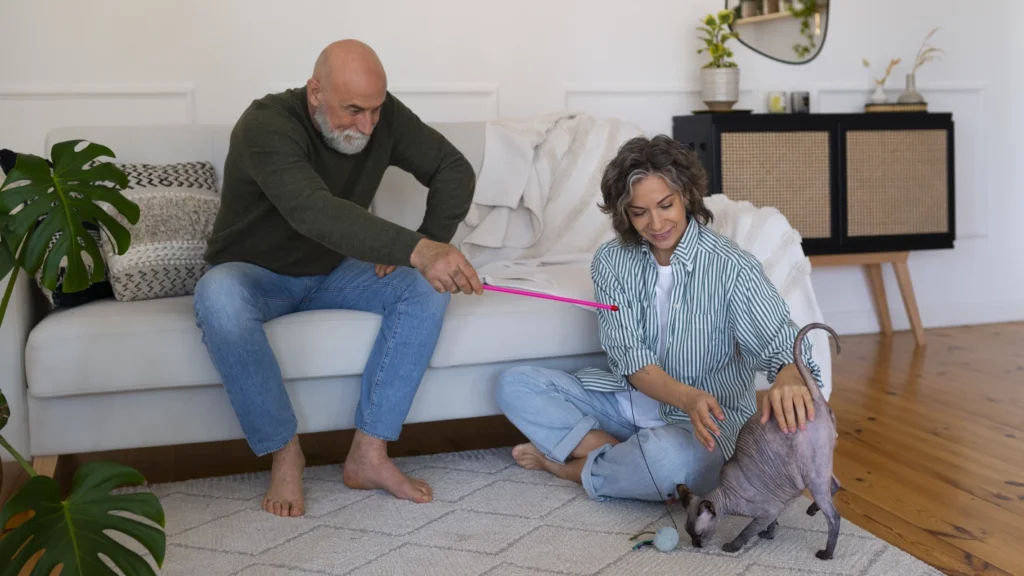
For the majority of older adults homes are more than the physical space it occupies — it’s a lifelong collection of routines, memories and a sense of identity.
The decision to stay at home is a decision that is rooted in self-esteem and dignity. This is why knowing the real benefits of aging in place is crucial when considering care options for families.
The Psychological Comfort of Staying in a Familiar Environment
A home that is familiar provides psychological security that can’t be easily duplicated anywhere else. The chair that is the most loved by the window photographs displayed on the wall or the kitchen set how they prefer the way it is these tiny elements can give a strong psychological boost.
Research has consistently shown that stability and routine have a positive impact on mental health among older adults. The sudden relocation to a different location can lead to anxiety, confusion and emotional stress, especially those with moderate cognitive decline. Staying at home lets seniors continue their daily routines that create predictability and eases stress.
A familiar environment also aids in mental stability. Being aware of the structure of their home aids seniors to navigate with confidence and safety.
The familiarity of the home reduces confusion and helps to improve memory retention particularly for those who are in the early phases of the disease. This way, the home itself can become an aid to support.
Reduced Risk of Depression and Emotional Decline
Independence loss is among the most powerful psychological triggers for depression in older adults. When older adults feel like the decisions are made for them instead of with them feeling helpless, these feelings can arise.
The ability to stay independent at home helps build the sense of independence. Being able to determine what time to rise or eat breakfast, or what you want to do during the day increases autonomy.
Research on mental health in seniors have shown that those who are in control of their decisions made every day have lower levels of anxiety and depression.
In addition, the process of aging in places often enables seniors to stay in touch with their neighbors as well as faith-based communities and local connections. These bonds of friendship are essential to emotional well-being and health of people.
A Greater Sense of Control and Personal Identity
Independence is closely linked to the identity. For a long time your loved ones took decisions, supervised family life, raised children, and participated in their community. Keeping that sense of the control even when it is in the smallest ways, can help maintain confidence.
If seniors are able to stay in their homes, they are able to continue performing their regular duties such as taking care of plants, folding laundry and cooking simple meals or arranging personal items. Everyday actions build self-esteem and a sense of competence.
With the help of home care services, older adults can remain actively engaged with their daily activities. Care should enhance — not substitute for capabilities.
Safety Without Sacrificing Freedom
Many families are worried that the being independent at home can cause danger to their loved ones. But, a well-planned and professional home support can greatly improve the safety of seniors at home.
Through fall prevention such as mobility aids, medication reminders and changes to the home, seniors are able to be secure and enjoy their own freedom. In reality, personalized treatment at home is often a way to reduce hospital readmissions and helps prevent accidents.
This balance approach enables people over 65 to be their lives confidently instead of being afraid.
Protecting Overall Quality of Life
In the end, the aim of ensuring independence is to safeguard the living conditions of elderly people. Quality of life is defined as physical and emotional satisfaction connections with others and the capacity to make individual decisions.
Aging in Place supports the following elements:
- The ability to maintain emotional stability by establishing a relationship
- Personalized support for physical security
- The stimulation of the brain through routine
- Social connections within the community
- Decision-making autonomy in everyday life
When people feel secure and valued, as well as at ease, they do not only have a longer life span, but they live longer.
The ability to remain independent at home isn’t about refusing to assistance. It’s about offering best senior care options for maintaining independence at home that builds confidence, boosts wellbeing and enables seniors to continue to write their stories in the location they cherish the most.
Signs Your Loved One May Need Support at Home
It’s sometimes difficult to tell when an elderly loved one or parent needs assistance. Many seniors are proud of their independence and can try to minimize problems so as not to worry relatives.
But, being aware of early assistance signs can stop small problems from escalating into serious dangers to safety.
If you’ve been wondering if you could benefit from additional assistance Here are some important signs to be looking for. These indicators often indicate it’s time for an expert senior assessment to assess your needs and formulate an appropriate care plan.
Difficulty in Daily Tasks (Activities that are part of Daily Living - ADLs)
One of the most evident signs is that you are struggling with the daily activities of life (ADLs). These are the fundamental activities that are essential to maintain personal well-being and independence. This includes:
- Showering or bathing in safety
- Dressing appropriately
- Personal hygiene and grooming
- Bathrooms can be used independently
- Safely transitioning From bed
- Preparing simple meals
There may be laundry that isn’t washed accumulation, unopened mail or a house which appears less tidy than normal. The person you love may wear the same clothes over and over again or avoid bathing because of the fear of falling. These changes usually happen slowly which makes them difficult to notice.
When the demands of daily life become overwhelming and overwhelming, it’s a clear indication that caregiving can protect both dignity and security.
Frequent Falls or Balance Issues
Falls are among the most significant dangers to safety at home for those who are older. Even minor slips could result in injuries, hospitalizations or lengthy recovery times.
Signs of danger comprise:
- Strange bruises
- Releasing furniture when walking
- It is difficult to stand from a seated posture
- Diazziness complaints
- Afraid of walking alone
Many seniors don’t want to admit to falling because they are afraid of losing their independence. If you’re seeing changes in mobility or a shaky walking style, or a new usage of counters and walls for support It could be the right an appropriate time to look into in-home care.
Missed Medications or Confusion About Prescriptions
Management of multiple prescriptions can become difficult. Inadequate doses, double dosing or miscommunication about the schedule can cause serious health problems.
Signs can include:
- Pill bottles dispersed or unorganized
- Expired medication
- Health issues that worsen
- Forgetting doctor appointments
The mismanagement of medications is one of the most frequent, yet avoidable dangers in the field of senior care. A well-planned routine or professional monitoring can dramatically enhance the safety of patients for best senior care options for maintaining independence at home.
Isolation or Increased Loneliness
Refraining from emotions is similar to physical decline. Social isolation is directly linked to depression and cognitive decline.
Be on the lookout for:
- Social plans can be cancelled
- Avoiding phone calls
- Inability to keep enthusiasm for activities
- Most of the day all by yourself in a room
The feeling of being lonely doesn’t have to be dramatic. It could be a sign of an insular withdrawal. The emotional well-being of a person is an essential component of independence. the early recognition of isolation can help maintain confidence and overall well-being.
Poor Nutrition or Weight Changes
Nutrition is a crucial aspect of aging in a healthy way. But shopping for groceries, cooking and planning meals can be exhausting.
You might notice:
- A refrigerator empty
- Food that has been soiled and left unattended
- Weight loss or gain that is significant
- Afraidness complaints
- Relying solely on packaged snacks
Insufficient nutrition increases the risk of falling reduces immunity and delays healing. If making healthy meals has become a challenge and you need help, extra support is a good idea to safeguard your overall health.
Memory Problems or Increasing Confusion
It is normal to forget things from time to time, however persistent confusion could signal deeper cognitive problems.
The warning signs are:
- Forgetting familiar routes
- Repetition of the same questions
- Turning off appliances
- Misplacing important items
- Payments for bills that are not made
Memory issues can quickly grow into serious safety issues for your home particularly when kitchen equipment, medication or door locks are involved.
The early intervention following the observance of the signs of assistance for seniors can be a big difference. An assessment of best senior care options for maintaining independence at home by a professional will help determine if assistance with personal care, light support assistance or more structured support is required.
Recognizing the Signs Early Protects Independence
Not needing assistance does not mean you lose your independence. Actually, knowing that help is required is often a way to preserve it.
The ability to address issues earlier allows seniors to remain at home for longer, while retaining dignity and self-confidence.
If you’ve observed any or all of these symptoms you may want to consider options for care which provide security as well as structure and security — but without removing the familiarity of your home.
Best Senior Care Options for Maintaining Independence at Home

When families begin to look into the most effective best senior care options for maintaining independence at home, they usually discover that supporting doesn’t mean giving up freedom. Actually, the best combination of services for seniors will increase independence, enhance security, and enable seniors to live comfortably in their familiar surroundings.
Here are the most efficient and compassionate solutions to can help seniors thrive ageing in place.
Option 1: Personal Care Assistance
The most effective methods of preserving independence is to use skilled personal assistance. These services offer assistance with routines and daily tasks as well as encouraging seniors to be active in their own health.
A trained caregiver in the home is able to assist in:
- Showering, grooming and dressing: Keeping your clothes clean and maintaining good hygiene is vital to self-esteem and health. The gentle elderly hygiene aid helps to ensure safety and dignity.
- Mobility assistance: Help with walking, transfer from chair to bed, and fall prevention helps seniors move with confidence and without risk.
- Medication reminders: Organized reminders prevent mistakes with medication or doses that are missed.
- Preparing meals: Healthy food prepared at home can help improve physical fitness and overall health.
This kind of ADL assistance (activities of daily living assistance) helps seniors stay at home and without feeling overwhelmed. Instead of assuming responsibility for daily chores, caregivers give direction and comfort that help seniors keep control of their daily routines.
Option 2: Companion Care Services
Independence is more than only physical. It’s emotional. The effects of loneliness can erode confidence and drive. That’s why the care of companions for older adults becomes crucial.
The focus of companion care is on the emotional and social wellbeing by:
- Support for emotional wellbeing The benefits of meaningful conversations sharing stories, meaningful conversations, and attentive listening can reduce anxiety and boost mental health.
- Social interaction Participating in games, engaging in activities, or going on walks keep seniors’ minds engaged.
- Assistance with transportation: Safe rides from appointments to religious service or other community events keep the community connection.
- Light housekeeping: Laundry cleaning up, and organizing aid in keeping a clean and comfortable house.
This type of non-medical care is crucial in preventing loneliness among seniors. Regular support from friends and family members increases emotional resilience and enhances the overall quality of life. Sometimes, just a few hours of companionship can significantly boost the mood and boost motivation.
Option 3: Skilled Home Health Care
For those who have chronic ailments and are recovering from illness, medical home health services provide the most advanced care while maintaining the convenience of your home.
The types of skilled care comprise:
- Nurse services: A certified home health nurse will keep track of vital signs, administer medication and supervise the treatment plan.
- Rehabilitation and physical therapy at home: Strengthening activities and exercises for mobility enhance results for recovery.
- Monitoring of chronic conditions: Continuous assistance for heart disease, or respiratory ailments.
- Post-hospital care: Transitional assistance following hospitalization or surgery reduces the risk of readmission.
Home-based nursing is a skilled method of combining medical expertise and personal attention. The best senior care options for maintaining independence at home received in a comfortable setting improves recovery and reduces stress when compared with institutional settings.
Option 4: Respite Care for Family Caregivers
Family members usually take care of the majority of senior care but a lack of rest and caregiving could cause fatigue and emotional stress. The respite home care program provides some relief, while making sure the elderly continue to receive the best care.
This service includes:
- Senior care that is temporary: short-term care during emergencies, vacations or commitments at work.
- Flexible scheduling of care Care can be scheduled for just a couple of hours, days or for a few weeks.
- Assistance for family caregivers Support from professionals that allow families to relax.
Support for caregivers that is strong prevents burnout and safeguards relationships. Families who feel loved and supported are able to return to their roles as caring spouses, children or family members, instead of full-time caregivers.
Option 5: Home Modifications for Safety
Making sure your home is safe is one of the most simple yet most effective methods to keep the independence. Simple adjustments can drastically reduce the chance of falls and increase confidence.
Important changes in aging in places are:
- Installation of grab bars to bathrooms
- Adding ramps at entrances
- Improving lighting in hallways
- Eliminating tripping hazards such as loose rug
- Modifying furniture placement to facilitate mobility
These improvements directly enhance seniors’ safety in their homes and help with seniors who are at risk of falling. The safety improvements will let seniors navigate their home without anxiety about injury.
Option 6: Technology That Supports Independence
Modern technology has changed the way that seniors can remain independent. Safety technology for seniors provides peace of mind for the elderly and their families.
Tools that can be helpful include:
- Medical alert systems emergency buttons that allow seniors to provide immediate assistance.
- Alarms and reminders to take medication to help to avoid missed doses or wrong dosages.
- Remote monitoring of patients Health care providers can monitor health data remotely.
- Smart home systems that are voice-activated: thermostats, lighting, as well as security systems improve accessibility.
- Wearable health gadgets: These devices measure your heartbeat, levels of activity and sleeping patterns.
With the advancements in telehealth services to seniors, healthcare consults are now available online and reduce the need for travel while ensuring the continuity of health care.
Technology can’t substitute for human interaction It enhances security and increases the independence of individuals.
Choosing the Right Combination of Care
The reality is that the most effective best senior care options for maintaining independence at home usually involve a mix of services. A senior could receive personal care for a short period of time or companion visits once a week, small home security improvements, and occasionally supervision by a skilled nurse.
The care should be always individualized by adjusting to changing needs.
When properly planned they create an environment of protection that enhances independence instead of limiting it. Seniors are with their families, they get confidence, home is the place to feel comfortable security, comfort, and dignity.
Comparing In-Home Care vs Assisted Living
If families are at the contemplation stage, one of most crucial decisions they make is deciding between assisted living or home care. Both are viable long-term care options but they are different in terms of cost in emotional impact, the degree of independence, and individualization. Knowing these differences can help families make informed, confident decisions that are based on safety and dignity.
Cost Comparison: Understanding the Financial Picture
One of the most common questions families are asked is about the costs in senior-care. Although prices vary based on location and the level of demand and the way in which expenses are structured differs significantly between in-home and assisted living care.
Assisted Living Costs:
- Monthly flat rates that cover food, housing and support for the basics
- Additional charges for higher care levels
- In many instances, long-term contracts are a good option.
- Costs that are constant whether or not the services are utilized in full or not.
In-Home Care Costs:
- Pricing for hourly or custom-designed Based on the actual hours of care
- Flexible scheduling (part-time, full-time, overnight)
- No relocation expenses
- The ability to modify care when requirements change.
For those who require only some hours of assistance per day home-based care is usually more affordable. Assisted living could be financially advantageous when continuous supervision is needed. However, families need to be aware of indirect costs like the cost of selling a home or moving costs as well as emotional turmoil.
When looking at nursing home options Many families are pleased the fact that they can use home care to pay for only the care that is that is truly required.
Emotional Impact: The Psychological Difference
The emotional impact of health care choices cannot be overstated.
The transition to an assisted living facility means the departure of a home filled with a lifetime of memories. For a lot of best senior care options for maintaining independence at home experiencing this change, it can trigger anxiety, sadness and even anxiety. Making adjustments the new schedule, caregivers and living spaces shared by multiple people can be a long process.
In contrast, in-home care preserves stability. Seniors get up in their private bedroom, go through routines they are familiar with and are always in the company of their personal belongings. This consistency often eases anxiety and promotes better wellbeing.
Research on aging shows that staying at home builds emotional resiliency and lowers the chance of developing depression. For those who value independence, living at home may feel liberating instead of limiting.
In comparing assisted living with homes, family members must take into account not just medical requirements but also the emotional aspects of the possibility of relocation.
Independence Level: Freedom vs Structured Living
Independence appears quite different in every setting.
Assisted Living:
- Time-based meal schedules
- Schedules of group activities
- Restaurants and recreation areas that are shared
- Rules and regulations for facilities
- There is less privacy than living at home
While assisted living fosters the social aspect but it also provides regular routines that could be a bit restrictive for some senior citizens.
In-Home Care:
- Flexible daily schedule
- The freedom to eat, sleep and participate in personal activities
- Support one-on-one
- More privacy
- Involvement in community and in the neighborhood
In-home care helps seniors can take control of their decisions in the daytime. Assistance is offered without taking away independence. Many families are looking into long-term care options this is the most important aspect.
Personalization of Care: One-on-One vs Shared Attention
Another important distinction in the assisted living vs. house care comparision is the degree of personalization.
In assisted living facilities caregiving, staff members assist several residents at a time. As care is organized and professional, the focus is shared across a number of people.
Best senior care options for maintaining independence at home, however, is totally individualized. Caregiver’s attention is solely focused on one person during set time. The care plans are adapted to meet the needs of:
- Individual health issues
- Personal preferences
- Religion or practices of the past
- Dietary requirements
- Family involvement
One-on-one attention enables more intimate relationships and faster recognition of any changes in health or behavior.
Families that prioritize individualized assistance often consider in-home care to be one of the best alternatives to nursing homes, especially in situations where maintaining continuity and identity is essential.
Safety and Supervision Considerations
The safety aspect is the main focus of the care models in both.
Assisted living is a safe space with staff on hand all day. For those with mobility issues or cognitive impairments that require constant surveillance, this could be beneficial.
In-home care may also offer well-organized supervision, particularly when paired with safety enhancements and scheduled visits to the caregiver. Technologies like medical alert systems as well as remote monitoring enhances security in the home.
The most important difference is the environment of supervision in the facility and individualized safety strategies in a familiar setting.
Which Option Is Right for Your Family?
The decision between assisted living and home care isn’t just about choosing which is the “better” option — it’s about choosing the best one for your needs.
Consider:
- What amount of daily assistance is really required?
- Does your loved one feel emotionally ready to move?
- What degree of independence is crucial for them?
- What will the financial perspective appear to be?
- Do you think that a personalized in-home support service can meet your the current demands?
Home care for many families functions as a bridge giving seniors the chance to remain independent longer while considering more structured living environments. Many may find that assisted living provides the amount of supervision needed.
By carefully comparing the costs of senior care, emotional maturity and independence needs, as well as the level of personalization, families can make smart decisions that align with the goals of their loved ones.
The primary goal is the same: maintaining dignity as well as safety and high quality of life, while planning for the future.
Financial Options for Senior Home Care
One of the main issues families face when considering home-based care is the cost. Knowing the financial resources available will make the cost of the care at home less daunting. Many financing options are available to help families pay for their expenses while making sure that loved ones receives a safe, loving and secure environment at home.
Below are the most commonly used ways families can pay for senior home care.
Private Pay (Out-of-Pocket Payment)
A lot of families start by earning private wages, meaning they use their personal savings pensions, retirement income, retirement, Social Security benefits, or contributions from family members to pay for healthcare.
Private pay deals:
- Complete flexibility when choosing providers
- No waiting times or eligibility approvals
- The ability to tailor care hours
- Service begins immediately
For those who require assistance in a part-time manner — for example, a few hours of companion or personal visits per week private pay could be an effective solution. Families appreciate the fact the fact that care plans can be modified at any time, without the restrictions of insurance.
However, it’s crucial to be aware of the long-term implications of budgeting. The total cost for best senior care options for maintaining independence at home will depend on the number of hours of care needed and the amount of care required.
Long-Term Care Insurance
Long-term care insurance is designed to cover extended care services. This includes home-based support. The policies vary, but they generally provide protection for:
- Personal care assistance
- ADL assistance (activities that are part of everyday living)
- Nursing services that are skilled
- Companion care
If you have a loved one with policies, go over the specifics carefully to be aware of the coverage limitations for seniors as well as elimination timeframes (waiting intervals before benefits start) as well as benefits caps for monthly or daily payments.
The most important things to check include:
- The provider should be licensed
- Minimum requirements for care hours
- Maximum lifetime benefit amounts
- Medical assessments are required.
Long-term insurance for care can greatly reduce the cost of out-of-pocket expenses, but it’s usually purchased several years prior to the time needing care.
Medicaid Coverage for Home Care
For those with a limited assets and income, Medicaid can provide substantial aid. Each state has their own rules concerning Medicaid home health eligibility, however the majority of programs cover non-medical or medical services in-home.
Medicaid could help with the cost of:
- Personal care services
- Health care home aides
- Skilled nursing visits
- Therapy services
- Certain changes to your home
Eligibility is typically based on the income level or asset limits as well as the evidence of medical need. Certain states provide Home and Community-Based Services (HCBS) waivers which allow seniors to receive medical care at home, rather than institutions.
As state-specific requirements vary and state, families must consult an Medicaid consultant or local government agency to determine if they are eligible. Planning ahead is crucial since the application process could take a while.
Veterans Benefits for Senior Home Care
Veterans and their spouses who survive are eligible for financial assistance via The U.S. Department of Veterans Affairs. VA health benefits for home-based care are a way to provide in-home assistance for those who are eligible.
The VA provides programs like:
- Benefits for Aid and Attendance
- The Home Health Aide program and the Homemaker programs
- Respite care services
- Health care home-based with a specialist
These benefits can substantially reduce the costs of home-based medical care for eligible veterans. The criteria for eligibility is usually based on the history of service, medical necessity and financial situation.
Families are advised to collect military discharge forms (DD-214 document) and speak with an VA benefits consultant to assess if they qualify. Knowing the available VA benefits for home care will ensure that veterans are provided with the care they’ve earned.
Combining Multiple Financial Resources
In many instances families, families make use of a mix of sources of financing. Examples:
- Long-term care insurance can pay a part of the cost.
- Medicaid could be a supplement to services.
- Private pay could be able to fill in gaps in coverage
The needs for care can change as time passes, which is why it’s crucial to review financial plans frequently. A experienced home healthcare provider can help families understand the benefits available and make sure they are covered.
Planning Ahead Reduces Financial Stress
The most effective way to pay for home health care is early planning. Examining options prior to when the emergency happens lets families make informed financial decisions instead of rush-to-action ones.
By understanding:
- Flexible pay for private employees
- Insurance coverage for senior care
- Medicaid home care eligibility
- VA home care benefits
Families can create a long-term care plan which safeguards both financial stability and the independence of their loved ones.
Insuring the proper support at the right moment is not just about protecting healthbut it also helps preserve dignity, comfort as well as peace of mind.
How Love One Home Healthcare Supports Independent Living
Here at Love One Home Healthcare, independence is not just a matter of being encouraged and secured. We know that staying at home is a source of security, comfort and emotional security for families of seniors. This is why our whole policy of care is based on creating a supportive environment that will enable older adults to live comfortably in their familiar environment.
As a trusted home health provider, our goal is to provide high-quality care with a heartfelt commitment to ensure that every client receives the proper amount of care without compromising their independence.
Personalized Senior Care Plans Built Around Individual Needs
There are no two seniors alike. Conditions, routines and preferences and personalities differ. We create personalized best senior care options for maintaining independence at home plans that are tailored to the individual’s specific needs.
Our process for planning care includes:
- A comprehensive in-home assessment
- Assessment of medical needs and challenges of daily life
- Review of safety and mobility concerns
- Discussion of routines that are personal to you and lifestyle choices
- Family members can collaborate with each other
If a patient requires a few hours of companion care every week or more formal personal care We create flexible plans that are able to adapt to changing needs. As time passes, care needs change and our plans change to keep up.
This approach is tailored to ensure that seniors have control over their meal times, routines, activities, and their routines.
Compassionate Caregivers Who Lead With Empathy
The core of our agency is our team of caring caregivers. Beyond credentials and training we carefully choose caregivers who show empathy, compassion and genuine love towards older adults.
Our caregivers can provide:
- Assistance with daily activities living
- Support for mobility and fall prevention
- Reminders for medication
- The emotional bond of friendship
- Housekeeping, light and meal preparation
They also build significant relationships. Trust is the basis of successful home care. When people feel respected and appreciated, they feel more comfortable and are involved in their well-being.
As a highly professional home care service We value the sameness in our service, reliability, and respectable communication with every home we service.
Flexible Scheduling That Adapts to Your Family’s Needs
Independence can also mean flexibility. Certain seniors require short daily visits to assist with meals or bathing. Some seniors benefit from extended daytime care or supervision during the night.
Love One Home Healthcare offers:
- Hourly care
- Support for part-time employees
- Assistance available 24/7
- Overnight or weekend care
- Flexible arrangements for long-term or short-term terms
This flexibility lets families decide on the level of care needed. The amount of care can be increased or decreased when circumstances change, which ensures seniors receive the proper assistance at the appropriate moment.
Safety-Focused Care That Promotes Confidence
Safety is crucial to maintaining the independence of our clients. The caregivers we employ are educated to recognize and deal with potential dangers before they turn into emergency situations.
We emphasize:
- Strategies for preventing fall
- Safe transfer techniques
- Organization of medication and reminders
- Safety at home
- Monitor changes to health condition
Through focusing on preventative safety measures by focusing on proactive safety measures, we can help seniors remain secure and enjoy the comforts of their home.
Our aim isn’t to limit freedom, it’s to build a secure base that lets freedom to grow.
Open Communication With Families
Families are a major part of the process of caring. Continuous, clear communication provides peace of mind as well as collaborative decision-making.
Love One Home Healthcare provides:
- Regular care updates
- Rapid reporting of health issues
- Changes to the care plan as required
- Support provided by the team at our offices
Families are never left out of the caregiving process. We see caregiving as an alliance based upon trust and transparency.
Proudly Serving Our Local Community
As a local home care provider, Love One Home Healthcare is pleased to provide services to families across the State of Maryland. We recognize the specific requirements of our community and are dedicated to providing reliable, caring assistance near to home.
If the case is relevant:
- Home care services for seniors that are trusted in Maryland
- Serving families with seniors throughout Maryland and State Serving families and seniors across Greenbelt, Maryland.
Being rooted locally lets us respond quickly and provide personalized care efficiently and establish long-lasting connections with families that we serve.
A Commitment to Dignity and Independent Living
Here at Love One Home Healthcare, independence is more than a desire, it’s a commitment. With personalized plans for best senior care options for maintaining independence at home with compassionate and dedicated caregivers with flexible schedules, and a safety-first approach We help seniors be confident and secure at home.
When families pick Love One Home Healthcare, they’re choosing a reputable home healthcare provider that is dedicated to maintaining dignity, improving the quality of life, and providing safe, secure independent living.
From Fear to Confidence: A Family’s Journey to Safe Independence
When Maria first noticed changes in her father, she tried to ignore them.
He had always been fiercely independent — a retired teacher who prided himself on maintaining his home, cooking his meals, and walking to the neighborhood store each morning. But after a minor fall in the kitchen and a few missed medication doses, Maria began to worry.
She found herself calling multiple times a day:
- “Did you take your medicine?”
- “Did you lock the door?”
- “Are you feeling okay?”
Her father, once confident and self-sufficient, started to feel frustrated.
Maria, meanwhile, felt constant anxiety — torn between her career, her children, and the growing fear that something worse could happen.
The Turning Point
The conversation about home care was emotional.
Her father resisted at first. To him, accepting help felt like losing independence. He worried strangers would take over his routine or treat him like he couldn’t manage his own life.
But instead of pushing for drastic changes, the family chose a gradual approach — a few hours of in-home support each week. The caregiver didn’t “take over.” She assisted.
She helped organize medications.
She ensured safer mobility around the house.
She prepared meals together with him, not for him.
She became someone he could talk to — not just someone who performed tasks.
The Emotional Transformation
Within weeks, everything shifted.
Maria noticed the biggest change wasn’t physical — it was emotional.
Her father stopped sounding defensive on the phone.
He laughed more.
He began mentioning his caregiver by name, sharing stories about their conversations.
Instead of feeling monitored, he felt supported.
Maria’s anxiety eased too. She no longer carried the constant fear of an emergency call. She could focus on being a daughter again — not just a caregiver juggling responsibilities.
What once felt like surrender became empowerment.
The Benefits They Experienced
Their family discovered that the right home care support provided:
- Renewed confidence for her father, knowing help was available when needed
- Reduced fall risk and improved safety through proactive monitoring
- Medication consistency, preventing health complications
- Companionship, reducing loneliness and isolation
- Peace of mind for the entire family
Most importantly, he remained in the home he loved — surrounded by familiar memories, neighbors, and routines.
Safe Independence Is Possible
Many families hesitate to explore home care because they associate it with loss of control. In reality, thoughtfully structured support often preserves independence rather than replaces it.
The right caregiver doesn’t remove dignity.
They reinforce it.
The right care plan doesn’t restrict freedom.
It creates safety that allows confidence to return.
For families standing at the same crossroads Maria once faced, the journey from fear to confidence begins with a simple step: acknowledging that independence and support can exist together.
And sometimes, accepting help is the strongest decision a family can make.
Frequently Asked Questions
Q1: What is the most affordable senior care option?
Part-time in-home care is often the most cost-effective, allowing seniors to receive only the support they need without full-time facility costs.
Q2: Can seniors stay at home with limited mobility?
Yes. With caregiver assistance, mobility aids, and safety modifications, seniors can safely remain at home.
Q3: How many hours of home care do seniors need?
Care ranges from a few hours per week to full-time support, depending on health needs and daily living requirements.
Q4: Is home care better than assisted living?
Home care preserves independence and comfort at home, while assisted living provides structured community support. The choice depends on needs and preferences.
Q5: What services are included in personal care?
Personal care includes bathing, dressing, grooming, mobility support, meal prep, light housekeeping, and medication reminders.
Q6: Does insurance cover home care services?
Some long-term care insurance policies and Medicaid programs may cover in-home support, depending on eligibility and policy limits.
Q7: How quickly can home care services start?
Many agencies can begin services within 24–72 hours after an assessment, with urgent arrangements possible if needed.
Q8: Can home care be temporary after surgery or hospitalization?
Yes. Short-term home care helps seniors recover safely at home after medical procedures or hospital stays.
Q9: Do caregivers provide medical services?
Non-medical caregivers handle daily living support; skilled medical care like injections or wound care is provided by licensed nurses.
Q10: How do families choose the right home care provider?
Look for licensed agencies, trained caregivers, flexible care plans, transparent pricing, and strong family communication.
Ready to Help Your Loved One Stay Independent at Home?
Keeping your loved one safe, healthy, and independent at home doesn’t have to be overwhelming. At Love One Home Healthcare, we provide personalized care plans, compassionate caregivers, and flexible support tailored to your family’s needs.
Take the first step today and schedule a free consultation to discuss how our in-home services can help maintain independence, prevent falls, manage medications, and enhance overall well-being.
📍 Address: 7211 Hanover Parkway, Suite A, Greenbelt, MD 20770
📞 Phone: 301-773-4595
📧 Email: info@loveonehealthcare.com